Why Spain Works So Well for Indian Weddings
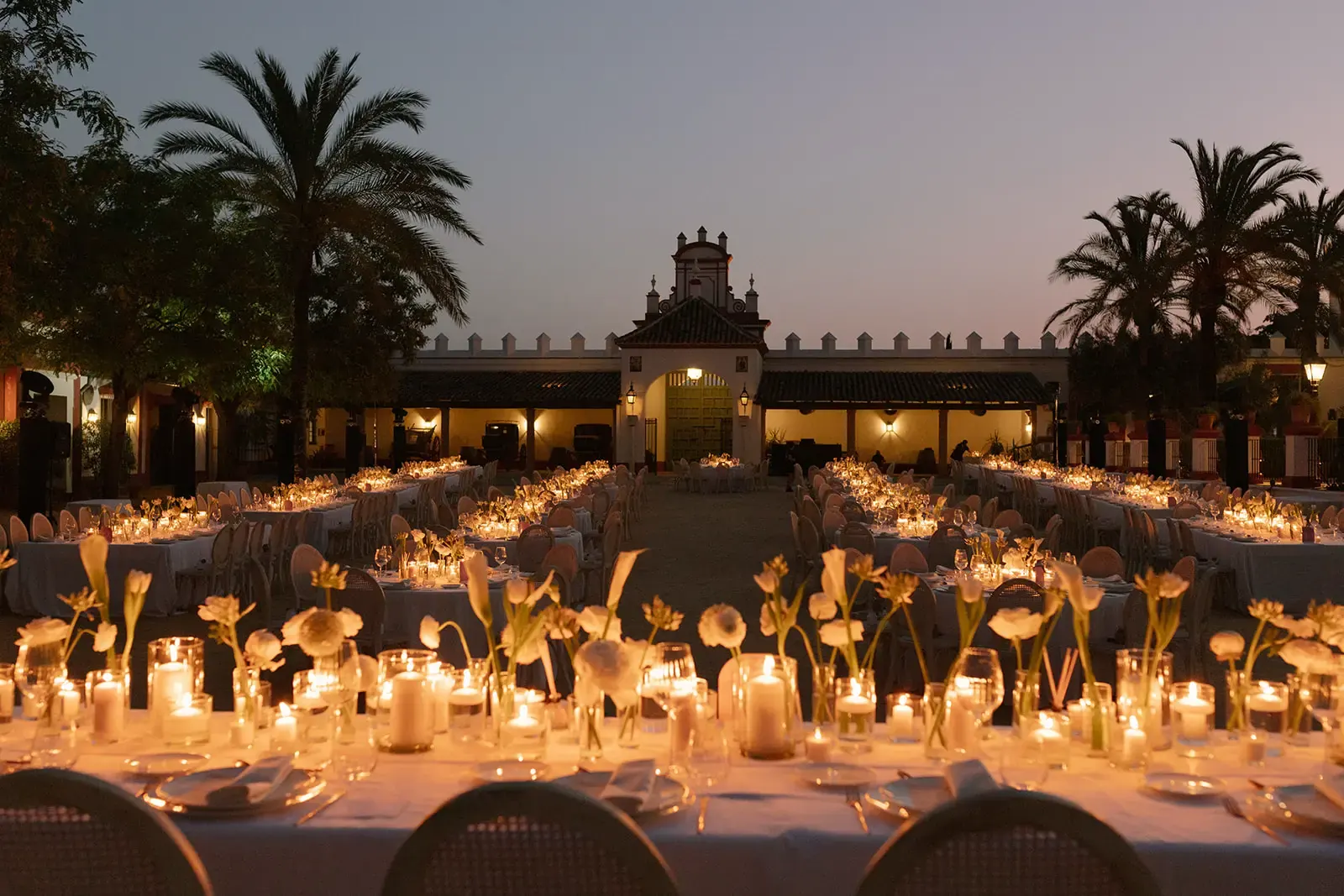
Spain has become one of the most sought-after destinations in Europe for Indian weddings, and the reasons go well beyond the scenery. The country combines architecture that photographs beautifully, a long season of reliable weather, excellent food, and a culture of generous, family-centred celebration that feels familiar to Indian guests. Andalusia in particular offers grand haciendas, historic palaces and sun-drenched courtyards, and its venues are used to hosting large, multi-day events. Add direct flights from the United Kingdom, much of Europe and several long-haul hubs, and you have a destination that is genuinely practical for a guest list spread across continents.
Decide the Shape of the Celebration First
Before you look at a single venue, settle three things: roughly how many guests, how many events, and over how many days. Everything else follows from them. A hundred-guest celebration over two days can happen almost anywhere; three hundred guests across four days needs a venue with real space, a plan for accommodation and a catering operation built for scale. Couples who skip this step tend to fall in love with a property and then discover it cannot hold the wedding they actually want. A rough range is enough at this stage:
- Guests — a realistic range, split into immediate family, close friends and wider invitees, since the first group usually decides the minimum.
- Events — which of the welcome dinner, haldi, mehndi, sangeet, ceremony, reception and farewell brunch you want to hold.
- Days — how many days your guests can realistically travel for, which is often fewer than the couple would like.
Choosing the Region
Spain offers more variety than most couples expect, and the region you choose shapes the whole celebration. Inland Andalusia, around Seville, Córdoba and Granada, offers historic haciendas and palaces, with strong heat in high summer. The Costa del Sol around Marbella adds beach clubs, villas and the easiest guest access through Málaga airport. Catalonia and Barcelona suit couples who want a city base, with masies and vineyard estates within reach. Madrid and the Balearic Islands are further options, each with a different character and different logistics.
Read our guide to Indian weddings in Marbella and the Costa del Sol
Choosing the Right Venue
The venue sets the tone for the celebration, and it is also the single biggest constraint on everything else. Beyond how beautiful it is, the practical questions matter most:
- Capacity for every event, not only the largest one: a ceremony space, a seated dinner and a dance floor all need room.
- Whether it has a working production kitchen, or whether a mobile kitchen and a generator must be brought in.
- Noise restrictions and the hard finish time, which decide how late a sangeet can run.
- A credible covered alternative if the weather turns.
- Accommodation on site or nearby, and how guests will travel between hotel and venue.
- Access for large vehicles, deliveries and equipment.
See our guide to the best venues for Indian weddings in Andalusia
Planning the Multi-Day Schedule
An Indian wedding typically spans three to five days, and each event has its own character, rituals and rhythm. A common shape for a destination wedding looks like this:
- Welcome dinner — relaxed, and often the first time both families gather.
- Haldi — informal and colourful, usually held by day and outdoors.
- Mehndi — intimate, often combined with a lunch or an afternoon gathering.
- Sangeet — a high-energy evening of music and dance, usually with a full dinner.
- Wedding ceremony — the sacred centre of the celebration, with timings set by the ceremony itself.
- Reception — the grand dinner and celebration.
- Farewell brunch — a gentler final gathering the following morning.
Catering and Cuisine
Food is at the heart of every Indian wedding. Each event deserves its own menu rather than one menu repeated across the days: lighter and more casual for haldi and mehndi, lively and abundant for the sangeet, composed and refined for the ceremony and reception. The diversity of Indian cooking is the point, from North Indian and Punjabi classics to Gujarati vegetarian dishes and South Indian specialities, and it is worth working with a team that cooks these regional styles properly rather than offering one generic Indian menu. Live stations, where dishes are prepared in front of guests, are a favourite for good reason: they add theatre and mean the food arrives hot and fresh.
Dietary Requirements Are the Brief
At many Indian weddings most guests are vegetarian, a meaningful number follow Jain or satvik diets, and a few will have allergies. Treat the vegetarian offering as the centre of the menu, design it first and make it the best food on the table. Tell your caterer about strict requirements at the proposal stage, not at the tasting, because genuine separation of preparation has to be built into the kitchen plan from the beginning, especially in a temporary kitchen on a lawn.
Jain, vegan and vegetarian catering for Indian weddings in Spain
Season, Weather and Timing
Peak season runs from April to October. Inland Andalusia can be very hot in July and August, which favours evening ceremonies and late receptions; May, June and September into early October are often the most comfortable windows. Coastal sites bring sea breeze and humidity, and Catalonia has a somewhat higher chance of rain in spring. Whatever the season, plan a covered alternative for anything outdoors. If your family chooses a date on astrological advice, raise it with your venue and caterer early, because it can narrow your options sharply and the best dates are booked well ahead.
The Legal and Ceremony Side
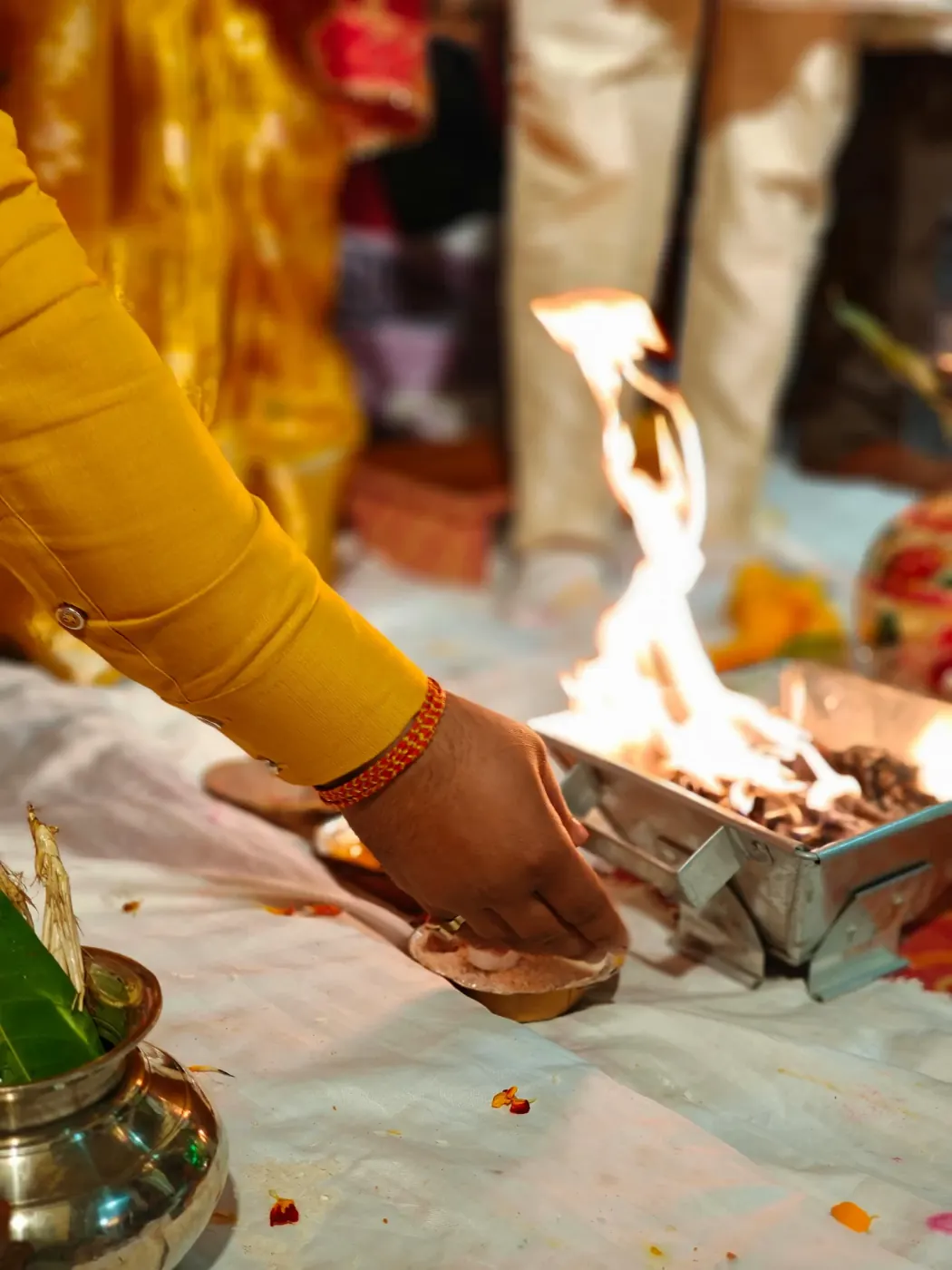
Most international couples complete the legal formalities in their home country and hold a symbolic or religious ceremony in Spain, which keeps the Spanish side straightforward. The rules that apply to you depend on your nationality and residence, so confirm them early with your planner or a Spanish lawyer rather than assuming. If you are bringing a priest from abroad or hiring one locally, settle that early as well, along with any ritual requirements such as a sacred fire, which some venues restrict for safety reasons, particularly in dry months.
Guests: Travel, Accommodation and Transfers
A destination wedding succeeds or fails on how easy it is for guests to be there. A few decisions make the biggest difference:
- Confirm the nearest airport before the venue, since the cost and length of travel shape attendance more than most couples expect.
- Block rooms in one or two hotels rather than scattering guests across many.
- Budget for coaches between hotels and venues, so nobody arrives in formal dress after driving themselves.
- Leave a buffer day before the first event for guests flying in from India or North America.
- Send a clear welcome document covering schedule, dress for each event, transfers and a local contact.
Where the Budget Goes
The venue, catering, décor and production, entertainment, and guest accommodation and travel make up the bulk of the spend. Catering is quoted per guest, and the figure moves with the number of guests, the number of events, what the venue provides and how far the team has to travel. Catering in Spain also carries 10% IVA, which is easy to forget when budgeting from abroad. The most useful habit is to get an indicative catering view for each shortlisted venue before you sign anything, because a venue without a kitchen or power can cost more to cater than its hire fee saves.
A Planning Timeline
A typical sequence looks like the one below. It can be compressed if it has to be, but with less choice at every stage:
- 12 months or more ahead — settle the guest range, the events and the region; shortlist venues; ask about catering availability on your preferred dates.
- 9 to 12 months — confirm the venue and the caterer; open hotel room blocks.
- 6 to 9 months — appoint your planner and the décor, entertainment and photography suppliers.
- 3 to 6 months — menu development and tasting; finalise the schedule; arrange transfers.
- 1 to 3 months — confirm final guest numbers and dietary requirements; agree timings with every supplier.
- The final fortnight — site walkthrough, delivery schedules, staff briefings and a contingency plan for the weather.
Planning From Abroad
Planning from the United Kingdom, the United States or India means relying on a team you trust and communication that is structured rather than ad hoc. Detailed written proposals, a named point of contact, virtual tastings and a single shared timeline remove most of the friction. Guadalquivir Catering is based in Seville and works across Spain, bringing its own kitchen, equipment and brigade to wherever the celebration takes place. If you would like a realistic picture of what catering your wedding involves, tell us your approximate guest count, your dates and the region you are considering, and we will tell you plainly what to expect.