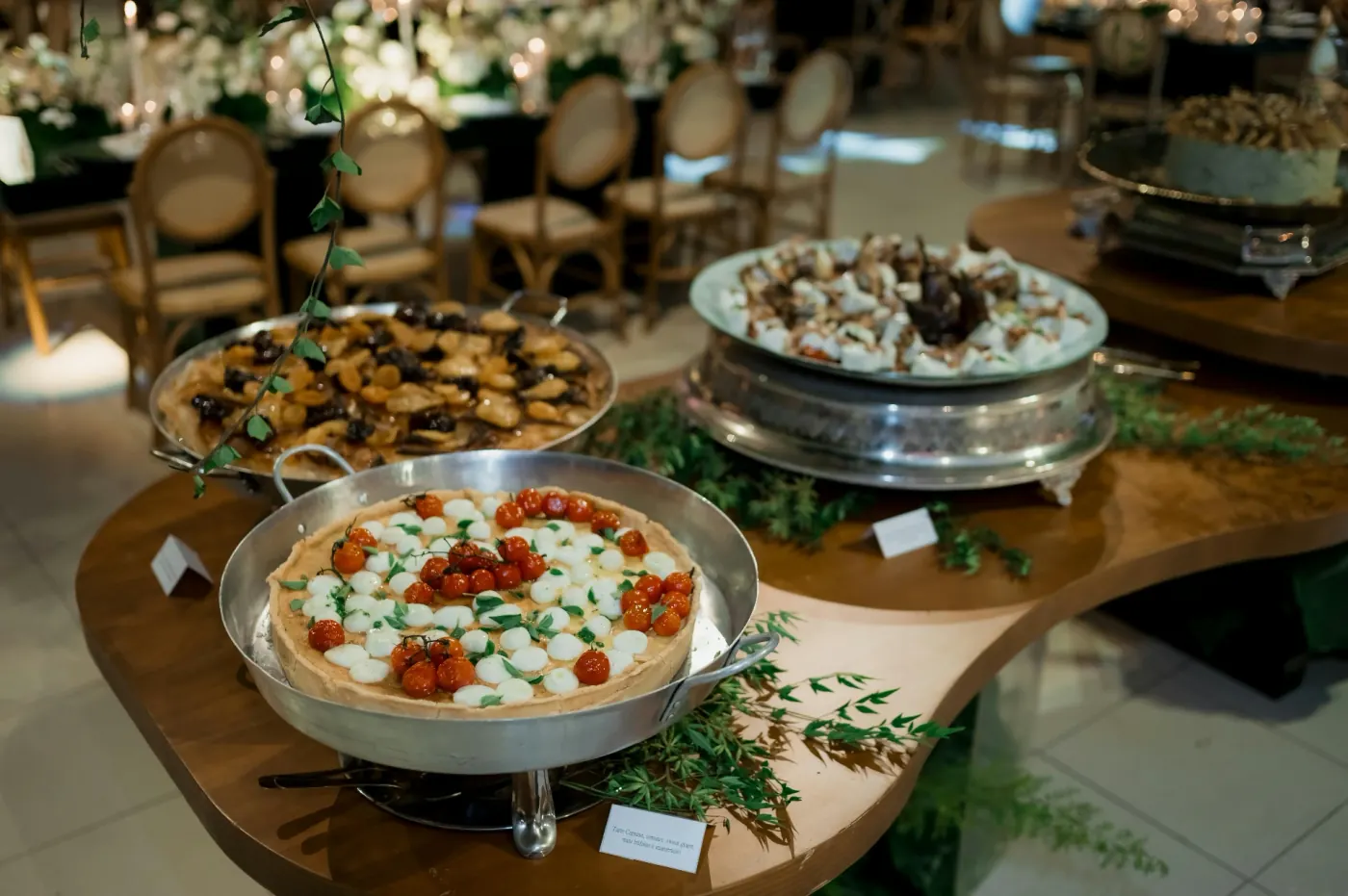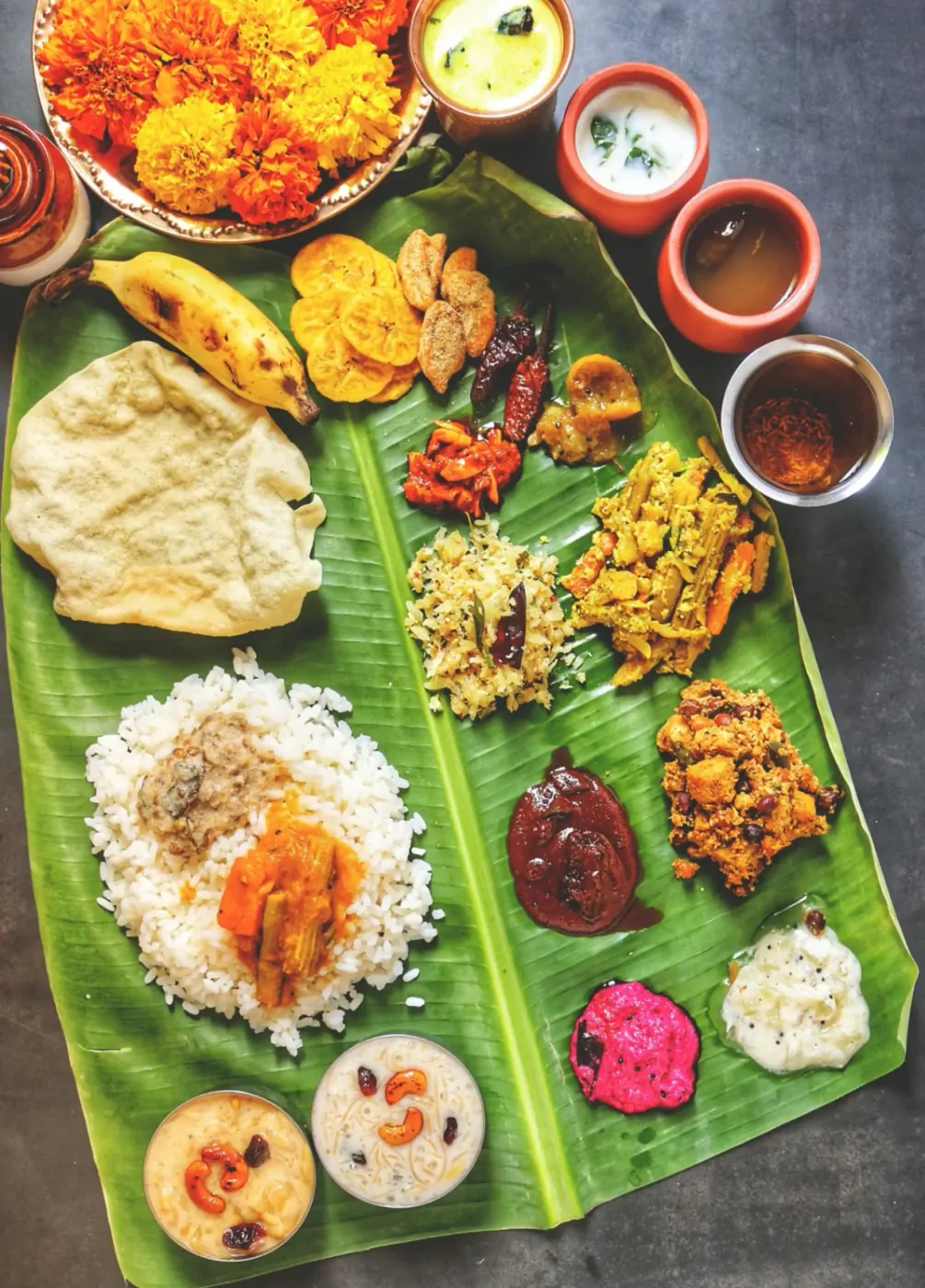
Not a Special Request, the Brief Itself
At a great many Indian weddings the majority of guests are vegetarian, a meaningful number are strictly Jain or satvik, and a handful have serious allergies. Treating these as exceptions to be accommodated at the end of the menu design is the most common mistake a caterer unfamiliar with Indian celebrations makes. The vegetarian menu should be the centre of the offering, designed first and designed to be the best food on the table, with everything else arranged around it. Guests notice immediately which approach has been taken.
What Jain Cooking Actually Requires
Jain dietary practice goes considerably further than vegetarianism, and the details matter in a professional kitchen:
- No root vegetables of any kind, which excludes potatoes, onions, garlic, carrots, beetroot, radish and ginger in its fresh root form.
- No fermented ingredients for many observant families, which affects breads, batters and certain condiments.
- Honey is avoided, so sweeteners need to be checked rather than assumed.
- Many observant guests do not eat after sunset, which has a direct consequence for service timing, not just for the menu.
- Separate preparation, separate equipment and separate oil — not the same station cleaned down between uses.
Satvik, Vegan and Vegetarian Are Three Different Things
These terms are often used interchangeably by venues and caterers, and conflating them causes real problems on the day. Satvik cooking excludes onion and garlic but may include dairy, and dairy is central to much of it. Vegan excludes all dairy, which in an Indian context removes ghee, paneer, yoghurt and most traditional sweets, and requires genuine recipe development rather than substitution. Standard Indian vegetarian cooking includes both dairy and alliums freely. A caterer who cannot articulate the difference without prompting has probably not catered for these requirements before.
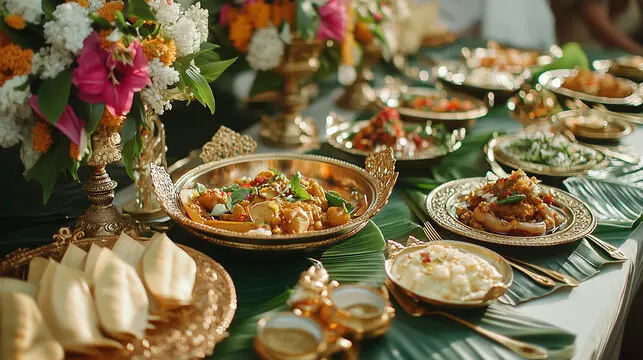
The Cross-Contamination Problem in a Field Kitchen
This is where destination weddings carry risk that a restaurant does not. When the kitchen is a temporary structure built on a lawn for four days, separation has to be designed rather than assumed. Dedicated preparation surfaces, colour-coded equipment, separate fryers and separate storage all need to exist in the kitchen plan from the first drawing. Retrofitting them once the marquee is up is somewhere between difficult and impossible. If a caterer tells you they will 'be careful on the day', press for the actual layout.
Sourcing in Spain
Spain is better supplied for this than most couples expect, and worse in a few specific places. Fresh produce, pulses, rice and dairy are excellent and locally available. The gaps tend to be in particular spice blends, specific regional ingredients and certified asafoetida, which matters a great deal in Jain and satvik cooking as the substitute for alliums. Those items travel with us rather than being hunted for locally in the week of the wedding. The practical implication for you is simply lead time: tell your caterer about these requirements at the proposal stage, not at the tasting.
Designing a Menu Where Nobody Feels Like an Afterthought
The test of a vegetarian or Jain menu at a wedding is whether the guests eating it feel they have been given the same celebration as everyone else. In practice that means parity across every part of the meal:
- Live stations that work for every diet, rather than one token vegetarian counter.
- Jain and satvik versions of the dishes the family actually cares about, not a separate and lesser menu.
- Sweets and desserts developed for vegan guests rather than a bowl of fruit.
- Clear, discreet labelling so guests are not interrogating staff about every dish.
- Staff briefed properly, so the answer to a question about ingredients is accurate and immediate.
Questions Worth Asking Any Caterer
Whether you work with us or with someone else, these questions separate experience from enthusiasm:
- How will Jain preparation be physically separated in the kitchen you are building?
- Which ingredients will you bring with you, and which will you source locally?
- How many of your chefs have cooked Jain and satvik menus before?
- How do you handle a guest with a severe allergy, from the kitchen through to the service team?
- Can we taste the vegetarian and Jain menus specifically at the tasting, not just the headline dishes?
How We Work
Our chefs cook North Indian, South Indian, Gujarati and Jain menus, and we design the vegetarian offering first on every wedding we cater. If your family has specific requirements, whether Jain, satvik, vegan, allergy-related or simply the particular way a dish is made at home, tell us early and we will build the kitchen plan and the menu around them.